For a time I read quite a bit, which seemed an appropriate activity in the middle of a pandemic. I even made a to-do list in an attempt to cover the classics, essentials that have been agreed upon by those who are much older and whiter than me. That’s why Pride and Prejudice was in my lap.
I can’t say I enjoyed it, not because it’s written by a woman. Willa Cather kept me engaged. Not because it’s a period piece. I would read Charlotte Brontë’s Jane Eyre again if it wasn’t for the stupid to-do list. But Pride and Prejudice? I found little interest for I felt like I was reading a literary version of The Love Boat.
Growing up, every Saturday night, our family would gather around the television set and watch a group of people meet on a cruise ship, fall in love, fall out of love and then fall back in love before the last port of call. SPOILER ALERT: That’s Pride and Prejudice. Granted there is no shuffleboard and dining with the captain, but there is plenty of matchmaking, dancing and top-notch verbal sparring. But as I tried to interest myself in the lives of the Bennett sisters, I kept getting hung-up on a word.
“Lord, How tired I am!” accompanied by a violent yawn.
Violent? A yawn? Is that possible? I’m pretty sure if I had a violent yawn, I would end up in the hospital. Maybe yawns were more forceful back then due to corsets and ball gowns. But the oddly placed word did not stop at boredom.
“… without violently caring for her…”
“… the violence of my affection.”
“… laughing and talking with more violence than ever.”
Was I reading the right novel? Did this word have a different meaning back in Austen’s day? Why sprinkle it so casually? It seemed so out of place considering what happened down the street.
*****
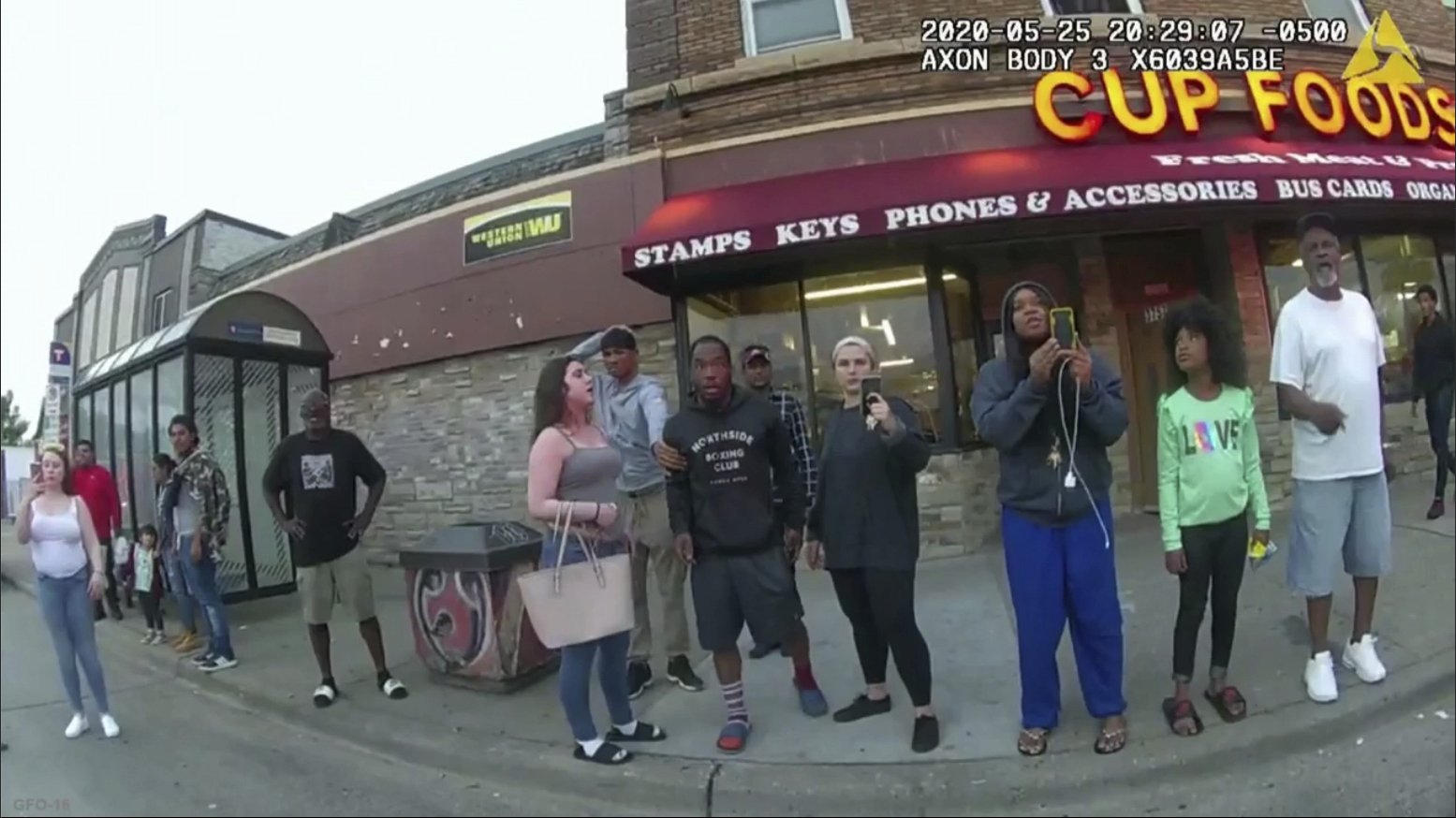
George Floyd stepped into Cup Foods to buy a pack of cigarettes. The store’s camera footage showed him in a playful mood, talking with the employees, placing his hands on the shoulder of a female friend. He was back in his SUV when the clerk, a Christopher Martin, all of nineteen-years-old, believed the twenty dollar bill Floyd provided was counterfeit. He went outside and asked Floyd to come back into the store to resolve the matter. He asked twice, but Floyd remained in the SUV. So the manager called the police.
*****
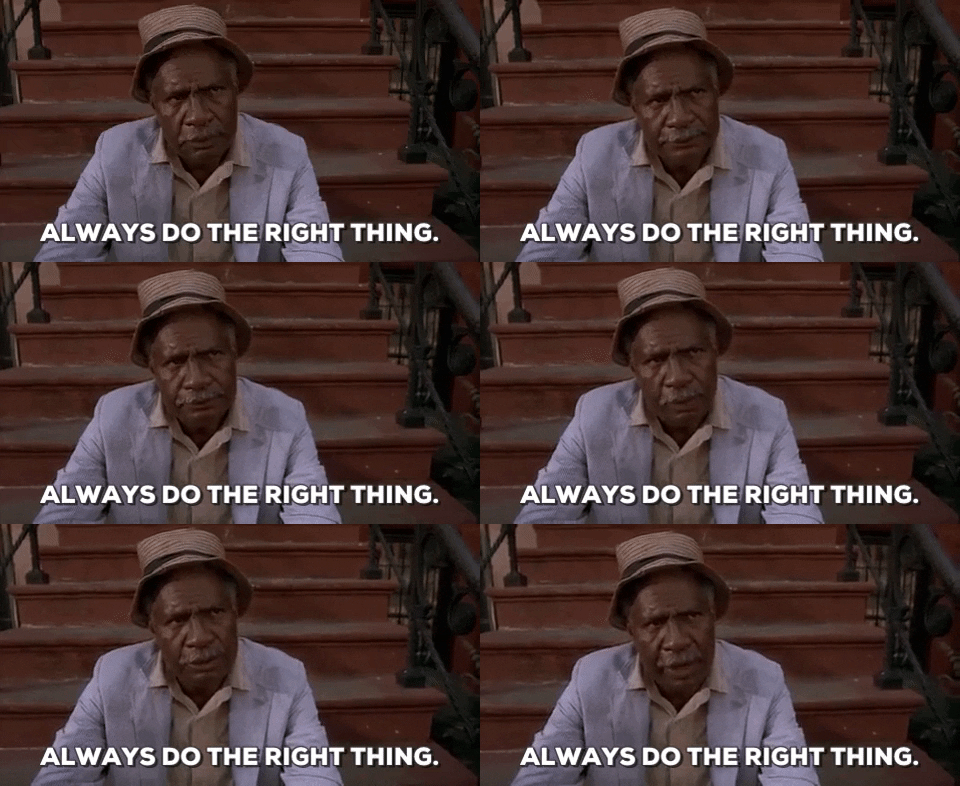
The ironic thing about director Spike Lee’s movie, Do the Right Thing, is nobody does the right thing. Not Mookie. Not Sal. Radio Raheem plays his music for everyone in the neighborhood. Buggin Out only looks to agitate. Pino can barely contain his hatred for the neighborhood in which his father’s pizzeria resides. ML, Coconut Sid and Sweet Dick Willie just want to hang out and complain about Mike Tyson. Da Mayor wants to drink Miller High Life and dispense inebriated pearls of wisdom. Ahmad, Cee, Punchy and Elle never seemed pointed in a direction as Officers Ponte and Long pass through the Brooklyn neighborhood with a disdain for the citizens they swear to protect and to serve.
Every step made by this colorful cast of characters plays out over one stifling hot summer’s day and points to an unavoidable crescendo when Sal and Radio Raheem lock horns. And when their fight spills out into the street that’s when the police are called.
*****
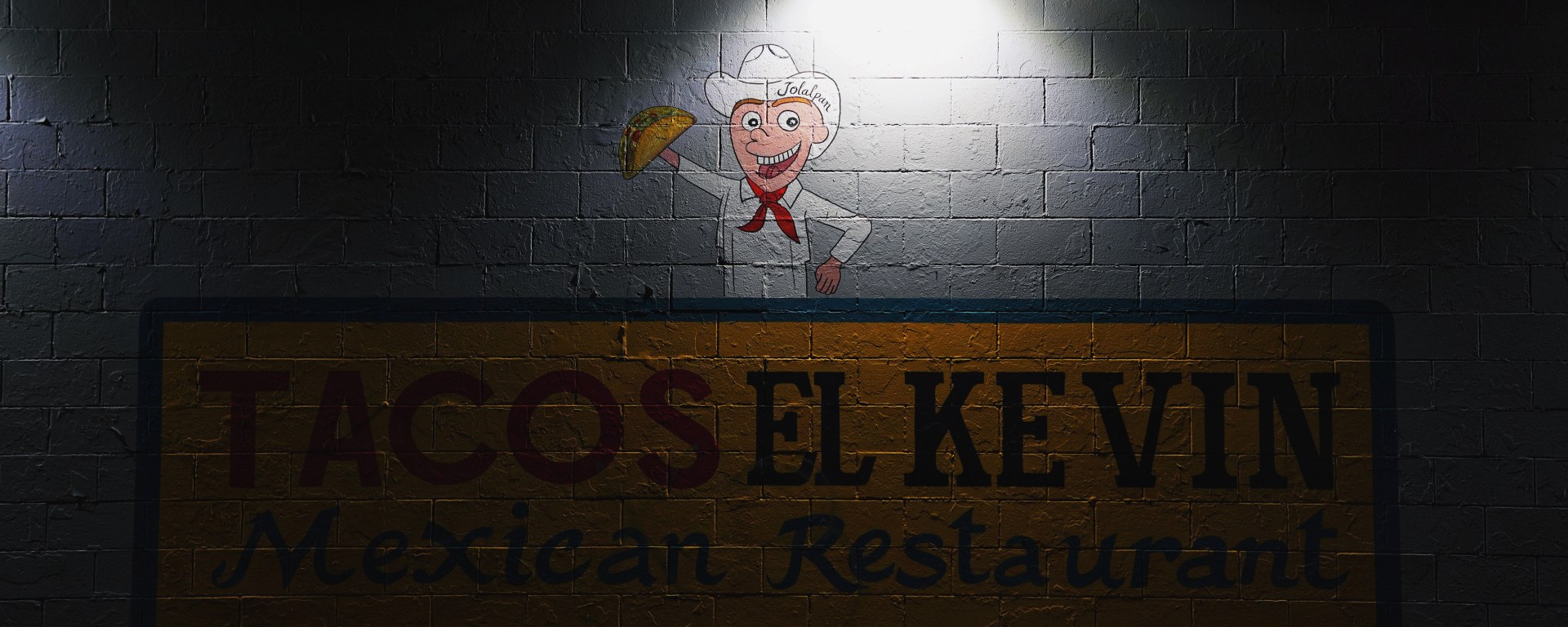
Cup foods, I never understood the name. If you go into the store to get some potato chips or Skittles, will the clerk dole out the goods in eight ounce increments? Cup Foods, an odd name with plenty others on the same street: Lake Country, Petite León, El Kevin and few blocks further, the Tiny Diner.
At one time when it was a stone’s throw from where I live, the restaurant was aptly named with its four dining stools in front of a counter in a place the size of shack. But when it moved to its brand-new digs, the numbers of stools increased, tables were added and an expansive outdoor patio filled the lot. Certainly, no longer tiny, but the name remained because, like I said, people don’t like change.
*****
There is a scene in Twelve Years a Slave where Solomon Northup, is given a “list of goods and sundries” and sent to the general store by the mistress of the plantation. Along the way he appears to panic at the brief moment of freedom and slips off the main road to another destination. But where? As a free man abducted from his New York home and sold into slavery in Louisiana, he has no clear path of escape, which becomes apparent when he comes across a group of men with guns and dogs about to hang two slaves.
Only a wooden ID provided by the mistress spares Solomon the same fate.
*****
At first George Floyd was apologetic, somewhat cooperative when the police put him in handcuffs. But when they attempted to put him in the back of their squad car, Floyd turned non-compliant, insisting he already had Covid-19, was claustrophobic and did not want to go to jail where he would be in confinement and exposed to Covid again. So Floyd did his best to avoid the back seat of the squad car and Officer’s Keung and Lang struggled.
An elderly gentleman by the name of Charles McMillian watched the flailing from the sidewalk and encouraged Floyd to cooperate for he knew events like this could spin out of control. And spin they did when Officer Chauvin arrived on the scene.
*****
It’s not difficult to find the word violent in Black Literature. Not violent in the sense of a yawn. But…
Violent in Toni Morrison’s Beloved, where Sethe takes dramatic measures to avoid having her own children recaptured and returned to slavery…
Violent in Walter Mosley’s Always Outnumbered, Always Outgunned, where recently paroled Socrates Fortlow sees no difference between being in prison and being released…
Violent in James Baldwin’s Go Tell It on the Mountain, a semi-autobiographical novel that shows a thin line between religious fanaticism and secular debauchery for underneath them both is an unresolved pain of being excluded from society…
Violent in Ta-Nehisi Coates’ Between the World and Me where the protective shield, he formed on the streets of Baltimore, becomes out of place in the newsrooms of his first employers. Even during a residency in Paris, it would frustrate him how his own wife could go about her day so carefree while the constitutional metal forged from his youth was still telling him to be on guard, be careful, every moment, every day.
*****
I have not watched the last minutes of George Floyd’s life. I don’t want to. I hold no appetite for horror, real or fictionalized, and I will never understand how an actual death caught on tape could hold any fascination. So I will flinch when a police officer kneels on the neck of a handcuffed man who is pleading for his life, calling out for his deceased mother, nine minutes and twenty-nine second, a slow-motion suffocation performed in front of witnesses like:
Donald Williams II, a practicing mix-martial artist, who knew Officer Chauvin was performing a “blood choke” and Floyd would soon lose consciousness.
Genevieve Hanson, an off-duty firefighter, who wanted to render aid to Floyd, but was brushed back to the curb.
Christopher Martin, the clerk who accepted the twenty dollar bill, pacing back and forth, hands on his head not knowing what to do.
Darnella Frazier, a student from nearby Roosevelt High School. She knew what to do. She didn’t flinch. Instead, she trained her cell phone and documented…
Try it sometime. Go onto a city street, not the sidewalk, the street. Lie down with your face pressed against the pavement, pavement with leaked gas, spilled oil, gravel, dirt, all types of debris with fumes rising from the sewer grate, exhaust from passing cars, lie there for ten minutes and remember your neck isn’t being compressed by someone’s knee.
 fornaught.net