I finished reading Pride and Prejudice.
Four stars for writing.
One star for timing.
I needed a course correction. I needed a novel far from afternoon tea, ballroom dancing and merry old England. I needed Elmore Leonard and one of his Western novels. I had already read Hombre, 3:10 to Yuma, and Valdez Is Coming. So I picked up Forty Lashes, Less One.
In the first paragraph on the very first page, a Black man is being hauled off to prison.
Good grief!
*****
Another pandemic activity to keep me busy: Digitizing my dad’s old photos. It was quite the task, but I enjoyed the process. I even started to check out photography books from the library, books on how to take photographs and collections from famous photographers like Walker Evans, Henri Cartier-Bresson and Minnesota’s own, Jim Brandenburg.
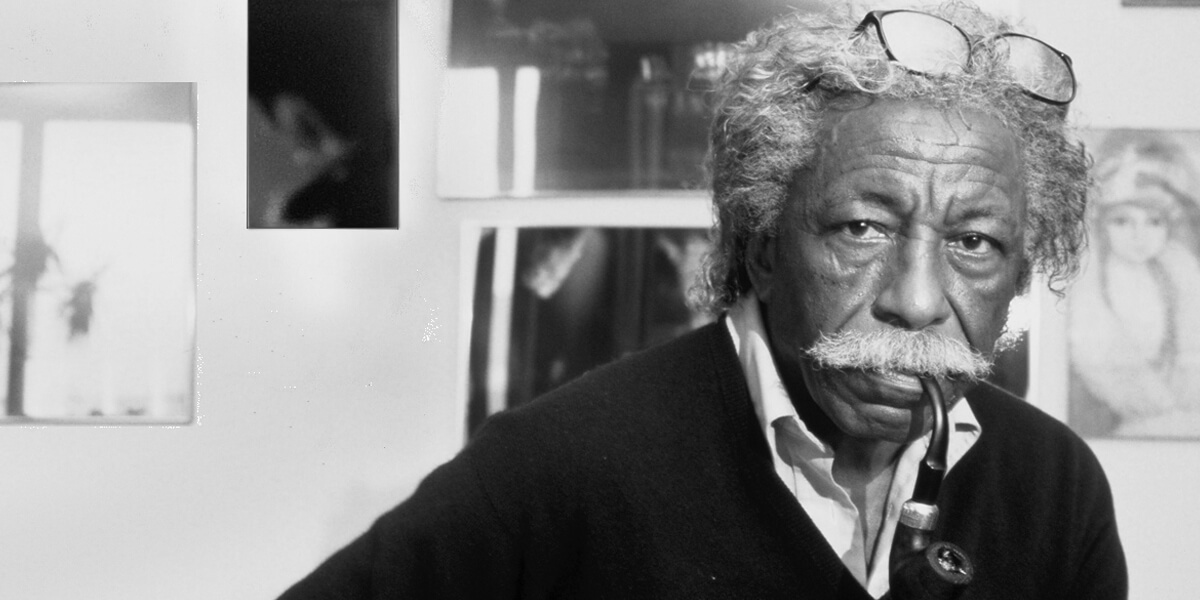
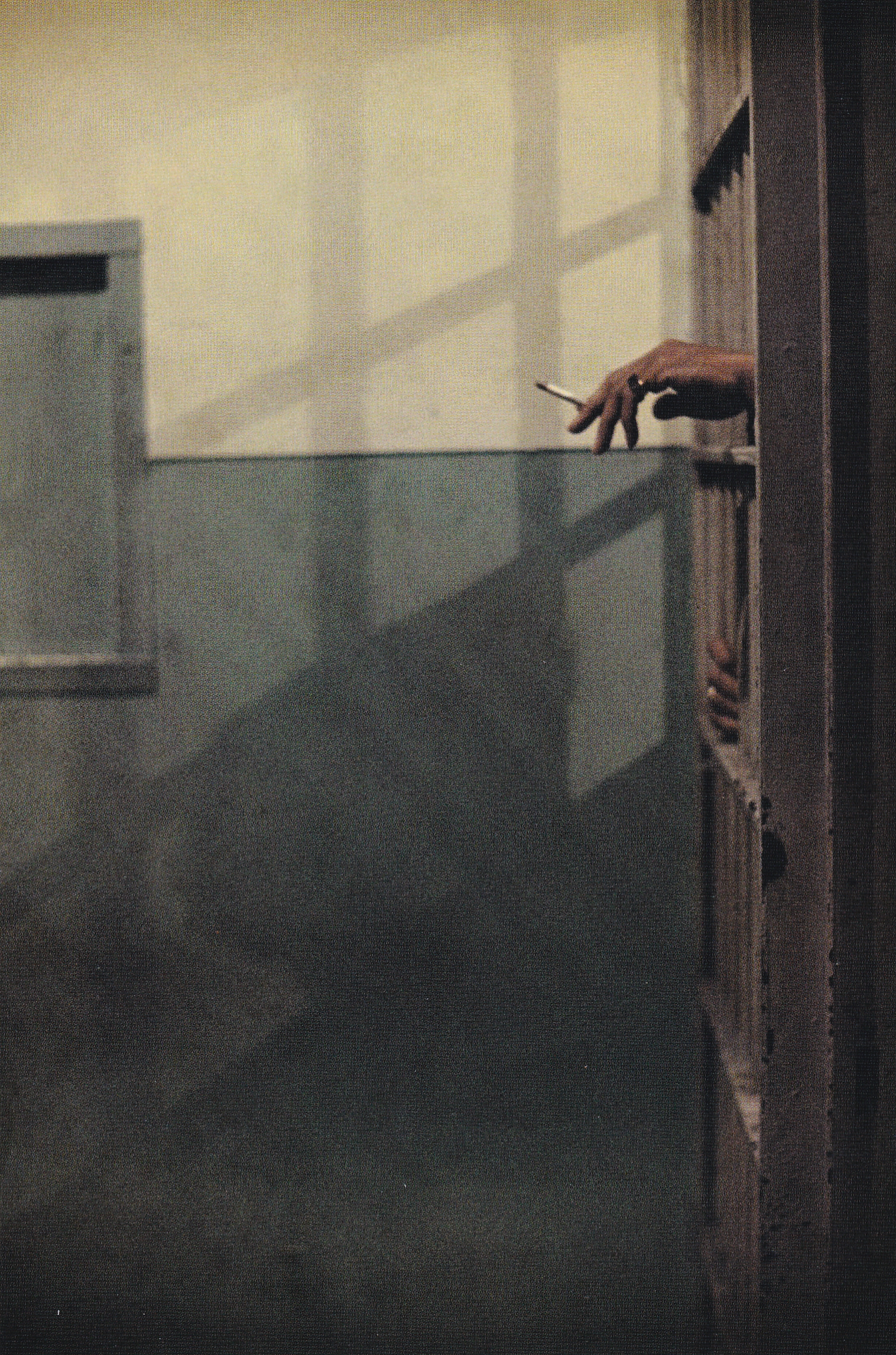
Then there was Gordon Parks and his The Atmosphere of Crime, a collection of photos Parks took for Life magazine’s special issue on crime in America. The book not only provided Park’s complete photographs for the assignment, but also a full copy of the September 9th, 1957 issue.
What’s interesting leafing through the issue is how mismatched the advertisements are in relation to Parks’ photos: neat, cheery ads of pressed Haggar slacks, Gleem toothpaste and Fitch Dandruff shampoo set against stark, grim images of police raids, drug use and lonely jail cells.
Then there’s a page devoted solely to Da Mayor’s favorite beer.

I couldn’t get my head around this scene. On one side: a banquet fit for royalty. (Is that an English crown hovering above the buffet table?) The other: a modern decor with eclectic artifacts. (Is that an African traveling throne next to the beer stand?) Who are these people in the ad? Who will they invite?
*****
Harold Jackson is the Black prisoner in Forty Lashes, Less One. He is being transferred to Yuma Prison for he killed a man with a pipe. Leonard doesn’t go into any detail on why Harold Jackson pummeled a guy. If you were to extrapolate from his cellmates’ situation, you could surmise.
Raymond San Carlos (Harold’s cellmate) is an Apache-Mexican serving time because he got tired of the racist taunts and constant harassment from the other ranch hands where he worked. One day he was given a rifle to shoot wolves. He decided to shoot one of the ranch hands instead.
*****
Reading the following excerpt from the Life’s issue on crime I wondered how much, if anything has changed in past sixty years:
The vandalism of juveniles is no longer understandable even to the most indulgent and soft-minded adults but has become savage and wanton beyond belief. The decline of morality in business, politics and sex is everywhere observed.
Then the writer, Robert Wallace, fondly remembers a more gentile time:
Mid-19th Century America was a fine and noble place, whence came all the good old-fashion principles ignored today.
1957: a time of rampant crime and degenerating morality.
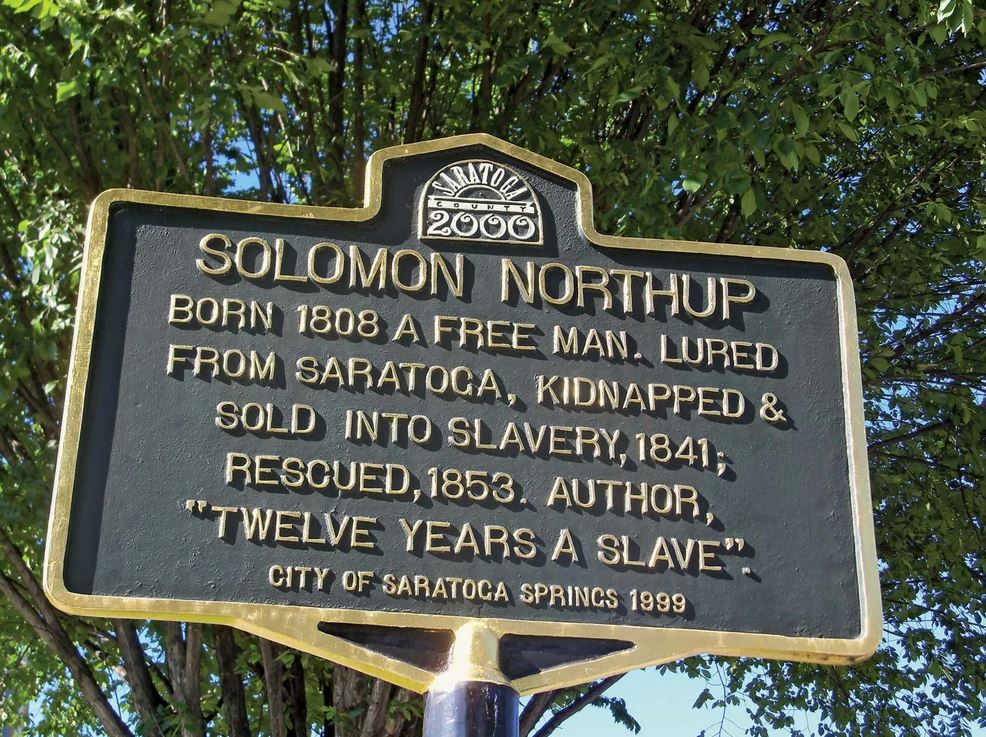
1830-1860: a time where a free man could be abducted and forced into slavery.
*****
What I like about Leonard Elmore is he doesn’t pick sides. In his world there are no heroes or villains. In his world there is smart and dumb. There is luck and chance. Most importantly, there is cool and losing your cool.
Harold and Raymond have as good a chance of being the protagonists in the story as any other prisoner. The interim superintendent, Everett Manly, even takes it as his mission to rehabilitate them. That’s where the title of the novel comes when he starts to quote scripture from Paul to the Corinthians (II) on Paul’s own corporal punishment he received for delivering the Good News: “Of the Jews five times received I forty lashes, less one.”
If thirty-nine lashes was the maximum allowed under Jewish law, I wonder how Paul would have felt about Solomon Northup’s time in Louisiana where one hundred lashes were often dispensed.
*****
In 1957 the Life issue states Blacks represented 10% of the population, yet they were 30% of the arrests.
In the 2020 census Blacks were 12.5% of the population in Minnesota. They were also 58% of the state’s homicide victims that year.
*****
Evertt Manley had no luck reaching Harold and Raymond through scripture. He was able to perk their interest when he talked about them embracing the warrior spirits of their ancestors: Harold as a Zulu and Raymond as an Apache.
Manley may have had good intentions but he paves them with stereotypes for he doesn’t see the prisoners for who they are: “…these two boys here, Harold and Raymond,” he says to a guard. “They’re just like children.”
And like children, Manley felt he could mold them into what he wanted them to be.
*****
A few weeks before George Floyd’s murder there was a rolling gun battle just before midnight. It came to end when one car crashed into a tree after a young woman was gravely wounded by a bullet. The crash was just south of 38th Street, only a few blocks from where Floyd was to take his last breath. It was homicide to fill the columns of the state’s crime stats, another murder in south Minneapolis while the city slept.
*****
I’m not going spoil a good story. I will say Harold and Raymond are continually harassed by a group of prisoners and their ringleader, Frank. At first Harold and Raymond are pitted against each other through Frank’s machinations. Then they are harassed even more when they band together. And at the end when it’s time to pick sides, a female prisoner says to Harold and Raymond: “I’m not with him (Frank). What have I done to you?”
The problem was Norma didn’t have to do anything. From the beginning it was set. Harold and Raymond may have been in jail for committing murder. But it was predetermined that outside forces were guiding them there.
*****
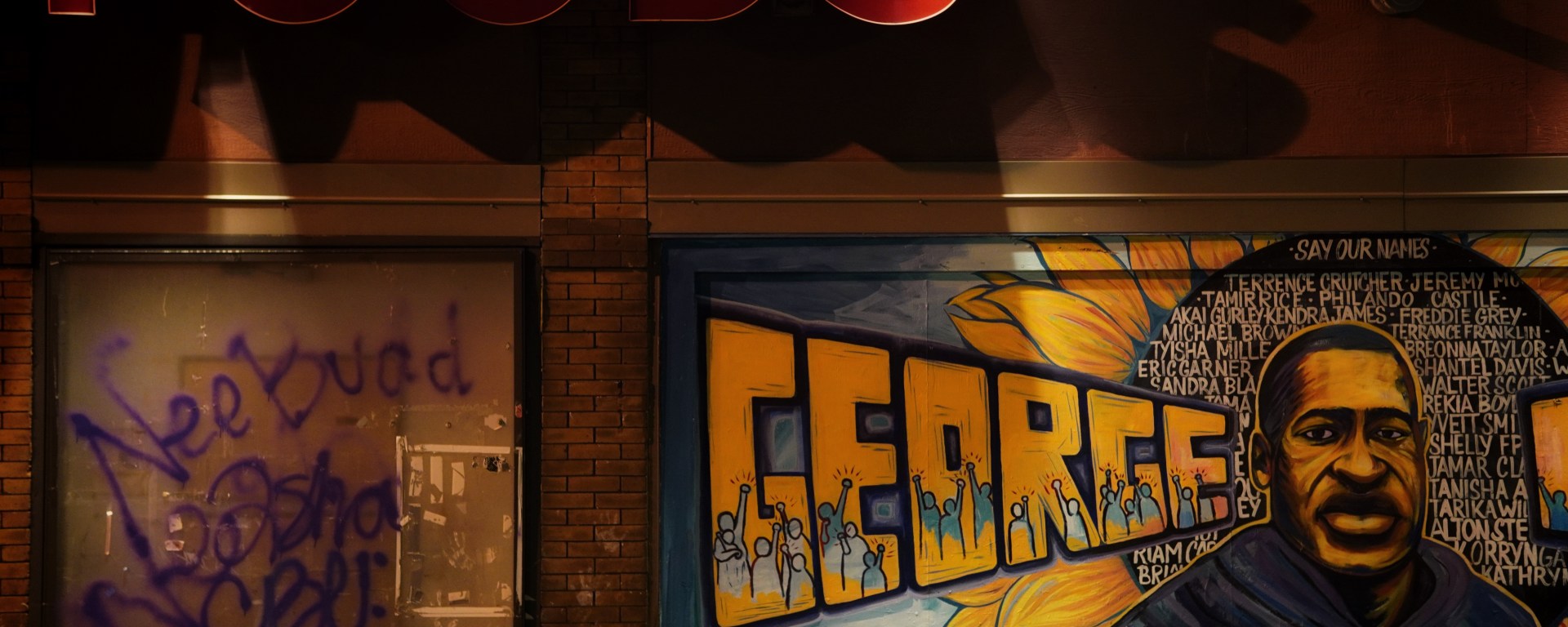
George Floyd wasn’t a saint. He had his run-ins with the law. He served time in prison. He had an addiction to narcotics and was under the influence when he walked into Cup Foods. He shouldn’t have been behind the wheel for it took him an inordinate amount of time to recognize that there was a police officer knocking at his driver’s side window.
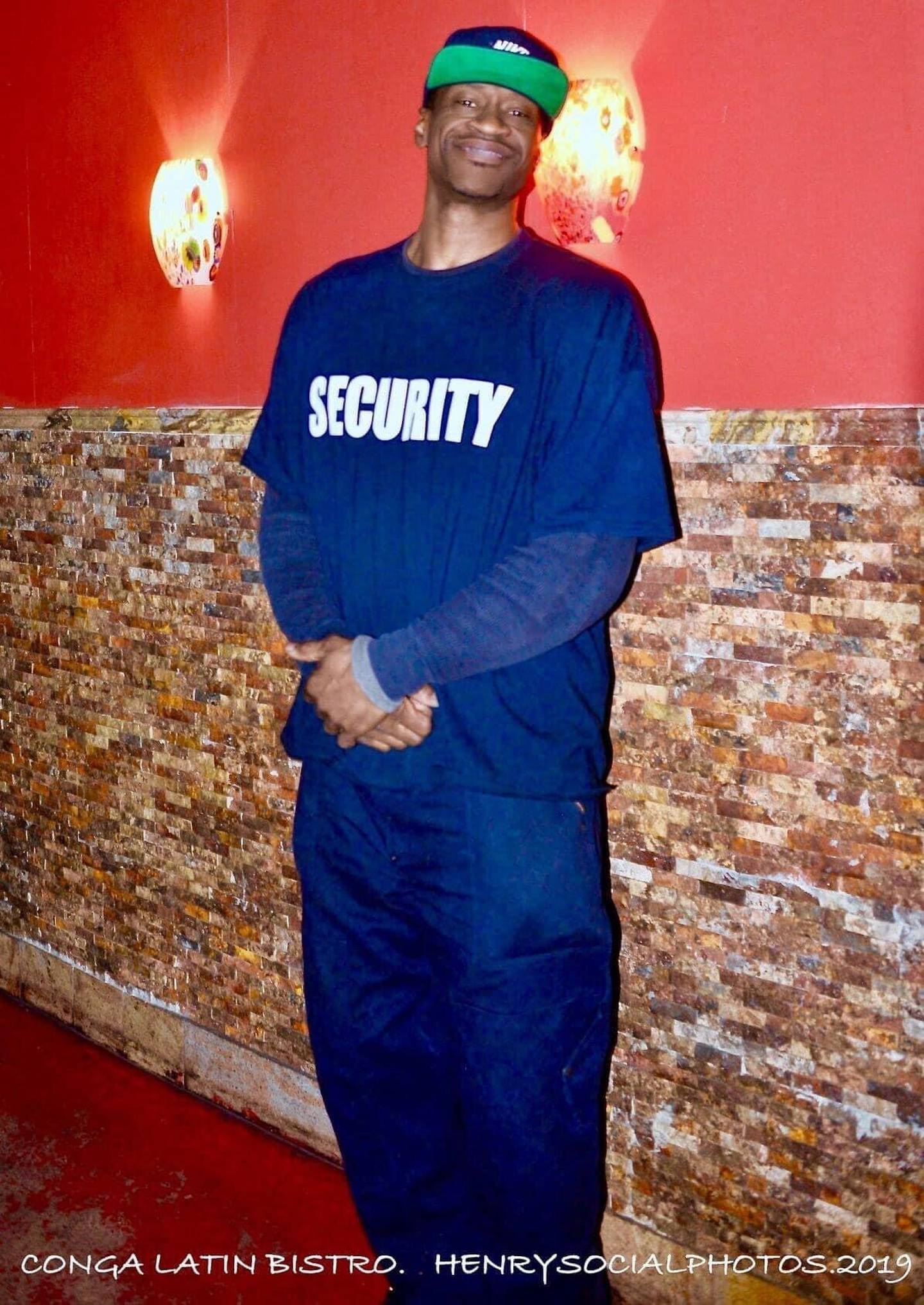
George Floyd also had a warm personality. In high school his nickname was “The Big Friendly.” He loved his mother and the love extended to anyone he met. He moved from Houston to Minneapolis to get a fresh start. Besides El Nuevo Rodeo, he worked security at the Salvation Army’s Harbor Light Center and Conga Latin Bistro, where his horrible dance moves were beloved by the staff. He was also training to be a truck driver. He was pointed in a direction. Then COVID hit, his roommate overdosed, and everything started to fall apart.
*****
The Life article on crime ends with a rather surprising quote. It comes from a Swede, a Dr. Thorsten Sellin, who was the head of the Department of Sociology at the University of Penn. He was also a leading authority on criminal statistics at the time. He is quoted throughout the article and when asked what could be done to curb the rise of criminal activity, he didn’t say more cops, more guns and more jails. He said this:
Negroes are a “have not” group, the victims of prejudice. Until they are allowed real equity, and even for a time thereafter until they adjust to it, their rate of criminality will remain high.
*****
There have been many studies on the benefits of being tall. Studies that show with height comes raised social status, increased wages, and the ability to reach the top shelves of cupboards.
In his book Blink Malcolm Gladwell shares this stat:
In the U.S. population, about 14.5 % of all men are six feet or over. Among CEOs of Fortune 500 companies, that number is 58%.
One disadvantage to being tall? Being black and being in front of a police officer. At that moment you are not looked upon as someone who deserves respect, but someone who is a threat.
Like Radio Raheem, George Floyd was tall, really tall at 6’ 6”.
Like Radio Raheem, George Floyd was grabbed and toppled.
George Floyd’s aunt, Angela Harrelson, always told George to be careful because as a tall, black man he already had two strikes against him. In her mind there was no room for “The Big Friendly” to lose his cool.
 fornaught.net