
I was paging through a photo gallery on Minnesota Public Radio’s website one day. It was showing how residents were keeping cool during the dog days of summer. There were pictures of fishing, hot dogs, swimming, and cool treats. It was the run-of-the-mill summer story, but something was different. It took me a while to see it. Then it dawned on me that most of the people in the photos were people of color. And they weren’t perpetrators or victims of some horrendous crime, but people living a normal summer’s day.
*****
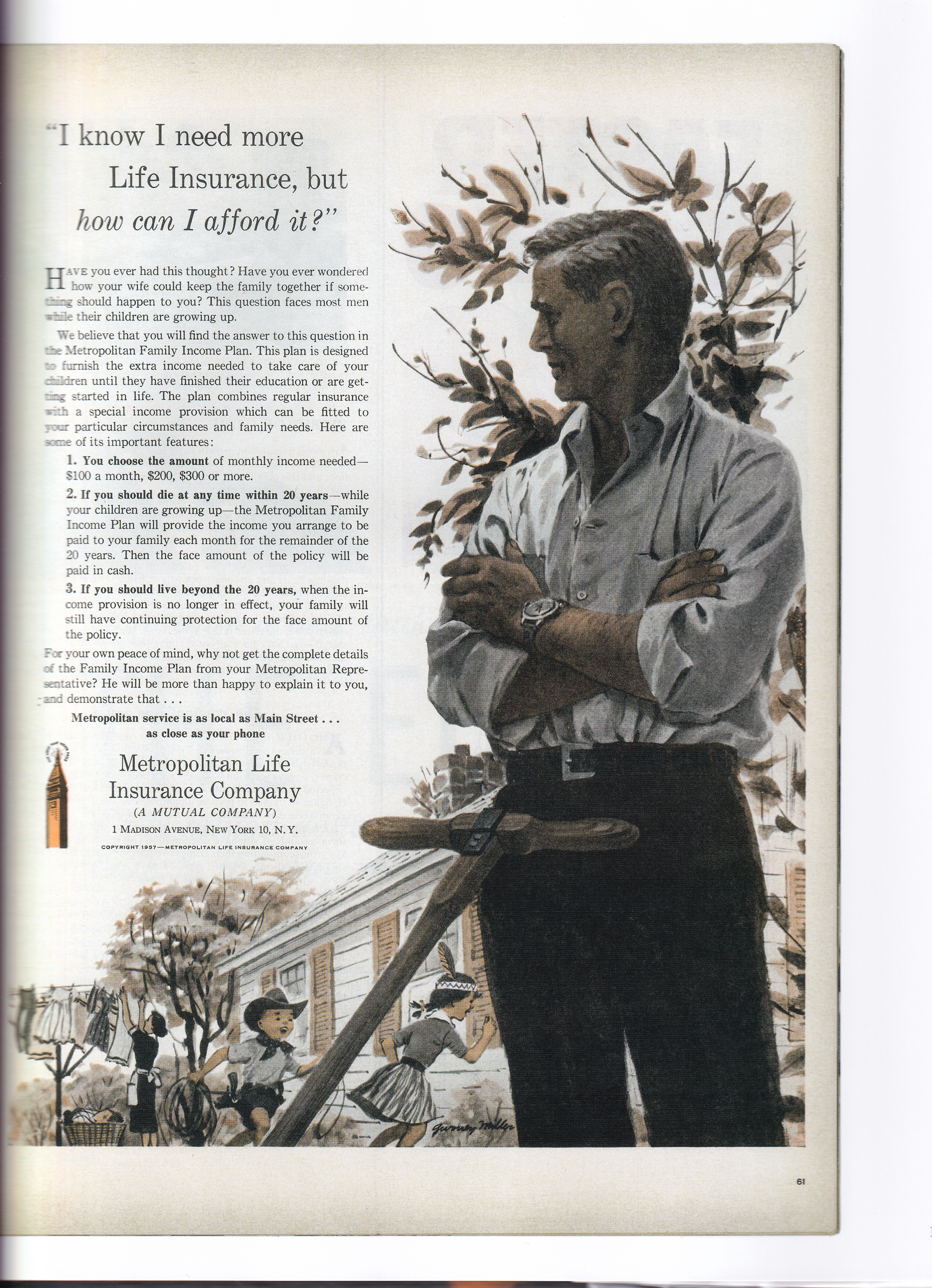
Gordon Parks was the first Black photographer on staff at Life. He was quite successful during his time at the magazine, but there was a friction between how Parks and the editorial staff saw life in America. For the men on the editorial staff, they saw American as one of their advertisements: A man pondering behind a lawn mower, thinking about life insurance while his wife hangs crisp, clean laundry and his children act out some sanitized version of cowboys and Indians. Parks, on the other hand, saw things quite different.
*****
There is a moment in Forty Lashes, Less One where Harold is riding through the Arizona landscape on horseback, which is pretty normal for a Western, but not normal if the person on the horse is Black. After all, how many Black Cowboys have been in Western films and television over the years? Are there any in the Western cannon?
*****
Parks was keenly aware how race was viewed in mainstream media and he wanted to counter the narrative. So he asked and the editorial board granted his request to visit his hometown and former high school classmates twenty years after he abruptly left when his mother died and he had to move to St. Paul, MN to live with his sister.
*****
Believe it or not the term “cowboy” was a reference to a Black slave who worked with cattle in the soon to be state of Texas. (A white person was referred to as a “cowhand”)
It’s estimated that in 1860 Black slaves made up 30% of the Texas population. And during the Civil War it was up to those slaves to tend to the cattle while their masters went off to fight for the Confederacy.
After the war, the returning soldiers had to start paying their recently freed and skilled workforce. Racism was still present, but after the war and before Jim Crow, there was a time when a Black cowboy could stretch into those wide open spaces and earn a reputation. Cowboys like:
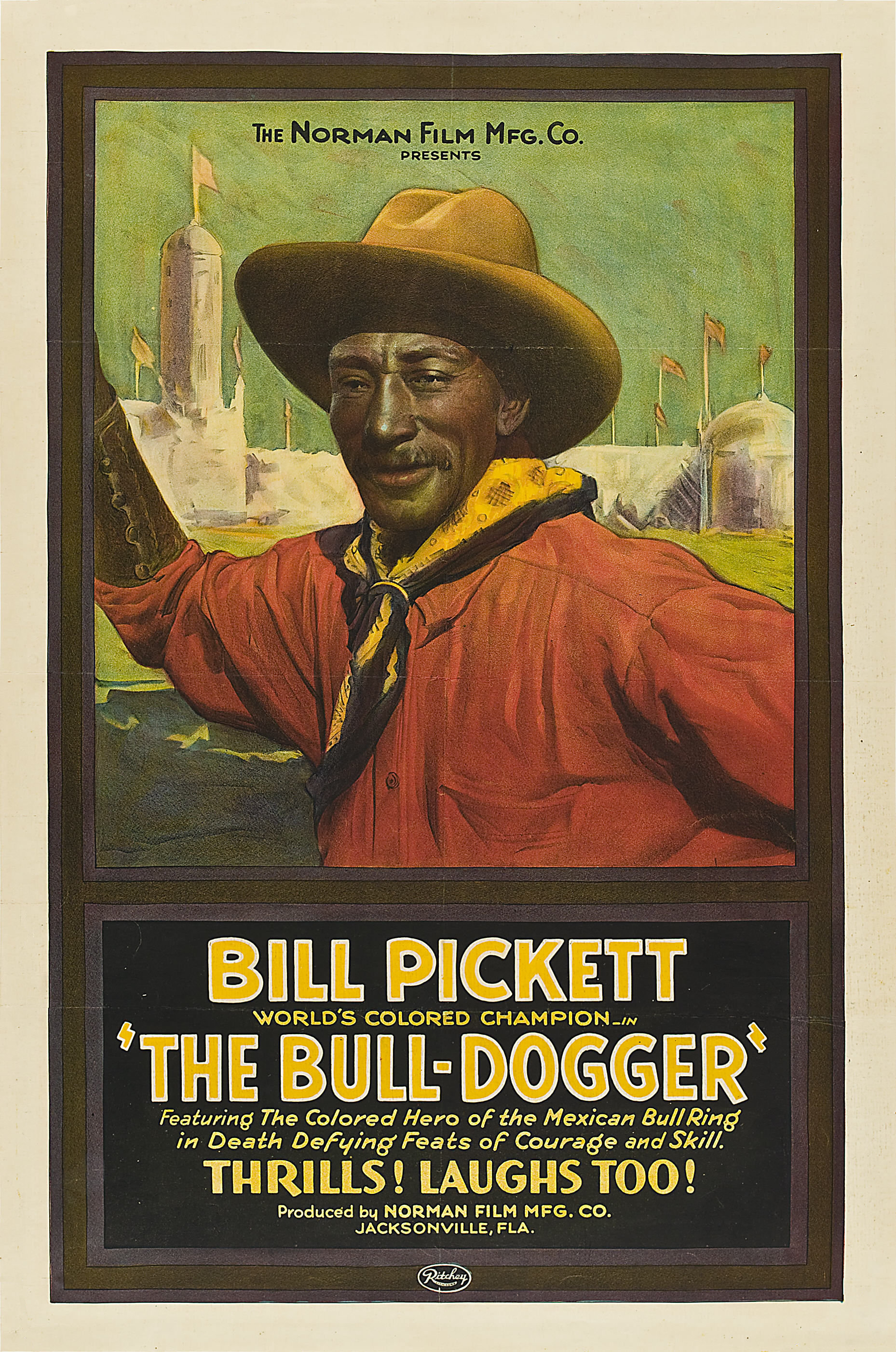
Bill Picket, an adept ranch hand, who showcased his rodeo skills at local fairs, even inventing bulldogging, a rodeo event where a cowboy jumps off his horse and onto an escaping cow to grab it by its head and wrestle it to the ground.
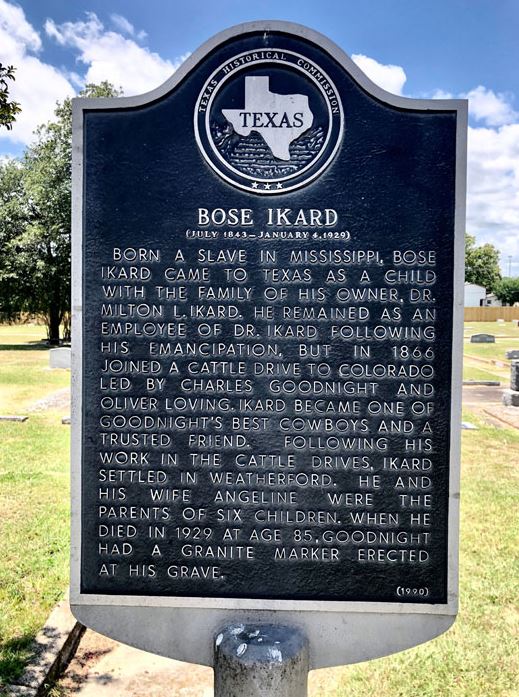
Bose Ikard, a cowboy who helped pioneer the cattle drive where thousands of cows were driven hundreds of miles to market on the Goodnight-Loving Trail. Ikard was the inspiration to the beloved character, Joshua Deets, in Larry McMurtry’s Pulitzer Prize-winning novel Lonesome Dove.
Nat Love, a ridiculously talented cowboy and crack-shot marksmen. After driving a herd of cattle to Deadwood, he entered the town’s rodeo and won the rope, throw, tie, bridle, saddle and bronco riding events. He dominated the affair so completely he was awarded the nickname “Deadwood Dick”, which isn’t really a great nickname, especially with the ladies.
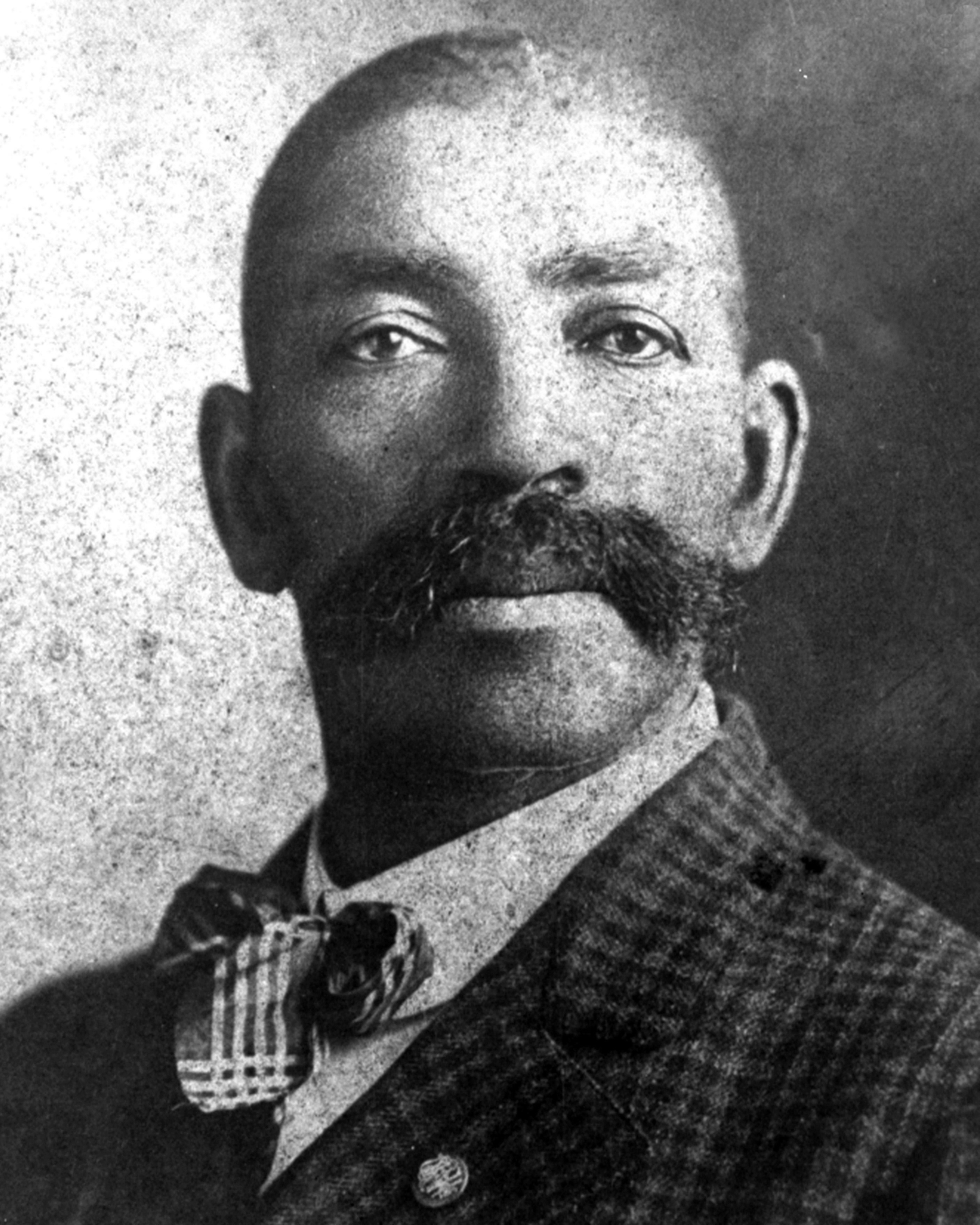
Bass Reeves, the first Black U.S. Marshall west of the Mississippi, his exploits are near mythical as it is reported he apprehended over 3,000 criminals during his 32-year career, which is as preposterous as Noah living to be 950. Still an impressive feat to work 32 years as a lawman on the Western Frontier when the West was still wild and to live to tell the tale required savvy, cunning and skill.
*****
When he arrived in his hometown, Gordon Parks only found one former classmate in Fort Scott, Kansas. The rest relocated to bigger cities like St. Louis, Chicago, Columbus and Detroit. Some of his classmates were doing well, others struggling. He took pictures of them all in their homes, at their jobs, even on their way to church.

This is what Parks set out to capture: to reveal to the subscribers of Life magazine the normal lives of people he grew up with in hopes counterbalancing the narrative that was so destructive to his race. Exciting? No. Newsworthy? Not really. But needed for it showed in 1950 that a Black couple on their way to church could be considered a neighbor.
*****
Parks’ photos were never published. Photos on crime, sure, but photos of former classmates going to work, washing their cars, playing the piano…?
The editors of Life had a good excuse. The Korean War turned a cold war hot and there was little room between war footage and detergent ads. So Parks’ photos were tabled, but I like to think the spirit of his assignment was revived when a copy editor at Minnesota Public Radio, one year after one George Floyd’s death, said to the staff: “Go out! Take some pictures. Show me someone fishing, grilling or swimming and remember George Floyd.” As in go to the places George Floyd may have visited on a warm summer’s day, places like Lake Nokomis, Minnehaha Falls, or maybe a neighborhood corner where a couple of kids set up a lemonade stand.

Two smiling faces making their first foray into a small business, looking optimistic, feeling hopeful, they remind me of an excerpt from Ian Fraizer’s book Great Plains in which the author visited the historic Black town of Nicodemus, Kansas.
After the Civil War there was a plea for people to come out west to work the land. In 1879 between fifteen to twenty thousand freed slaves migrated to Kansas in search of a better future. But Kansas was not a Garden of Eden, and it was far removed from the verdant hills of Tennessee and Kentucky. It was the West and the West was a hardscrabble existence. So two-thirds of the Black migrants eventually returned to their bluegrass homes.
One of the Black towns that remains is Nicodemus. Frazier rolled into its city limits on Founder’s Day, a sort of homecoming in which former residents return to reconnect, watch parades, have picnics and watch a talent show at the town hall.
It was there, seated in the audience, that Frazier watched Juanita Robinsons’ daughters (Kathleen, Karen, Kay, Kollen, Krystal and Karmen) dance to Prince’s “When Dove’s Cry,” probably the most mismatched moment of mismatched moments as the crowd whistled and cheered for a group of young Black women, bedecked in Western finery dancing to a song from an artist who grew up not far from George Floyd Square. And in that moment Frazier felt something that no Scotsman had ever felt, unabashed joy:
It came up my spine and settled on my head like a warm cap and filled my arms with tears, while I stood there packed in with everybody, watching Mrs. Robinson’s lovely daughter’s dance…
The moment was not lost on Frazier. How rare it was to see Black residents with neighboring white ranchers enjoying a moment that rarely, if ever, happened. But it did in the middle of cowboy country in the heart of America in a state that once welcomed any resident without stipulation.
“It could have worked,” Frazier wrote. “This democracy, this land of freedom and equality and the pursuit of happiness – it could have worked!”
CODA
We now reach the part of the essay where I am to recommend literary works I read over the long pandemic and wish to share. Instead I would like to highlight one novel you should never read: Jane Austen’s Pride and Prejudice.
I still feel pangs of anger when I think how much I did not enjoy this novel. I acknowledge that the more accomplished reader would “enjoy” reading it and would be “delighted” to do so again. Not me. Honestly, it was a slog, which at the time made me feel less worldly, a bit parochial. But later I came across Charlotte Bronte’s letter to G.H. Lewis in which she described Pride and Prejudice as:
… a carefully-fenced, highly cultivated garden with near borders and delicate flowers – but no glance of bright vivid physiognomy – no open country – no fresh air – no blue hill – no bonny beck…
No, the author of Jane Eyre did not much care for the antiseptic lives of the Bennett sisters, but she was far too polite to pile on. To do so required an American, an American with razor-sharp wit with no qualms about being rude.
In a letter to Joseph Twichell, Mark Twain wrote:
Every time I read Pride and Prejudice I want to dig her (Austen) up and beat her over the skull with her own shin-bone.
Now that’s violent!
 fornaught.net